Short Answer
The Tiger JKT-D10U is a mid-range Japanese induction heating (IH) rice cooker designed for households that want reliable rice quality and versatile cooking options without moving into the premium price tier.
It offers a 5.5-cup capacity, Tiger’s induction heating system, and the Tacook simultaneous cooking feature that allows users to prepare rice and a side dish at the same time.
While it does not include pressure cooking technology found in high-end Japanese rice cookers, it provides consistent rice texture, dependable temperature control, and useful cooking programs that make it suitable for daily use in small to medium households.
Overview
Japanese rice cookers are known for precise temperature control, reliable cooking results, and thoughtful features designed around everyday rice preparation. Among the major Japanese manufacturers, Tiger has a long reputation for building durable rice cookers that balance performance and practicality.
The Tiger JKT-D10U belongs to the IH (Induction Heating) category of rice cookers. Unlike basic heating plate models, IH rice cookers use electromagnetic induction to generate heat directly in the inner cooking pan. This allows for more even heating, improved temperature control, and more consistent rice texture.
For international buyers exploring Japanese appliances, IH rice cookers represent an important step up from entry-level models. They typically provide better results with Japanese short-grain rice and handle multiple rice varieties more effectively.
If you want to compare this model with other top Japanese rice cookers, see our full guide :
Best Japanese Rice Cookers 2026
https://buyfromjapan-guide.com/best-japanese-rice-cooker-2026/
The Tiger JKT-D10U is positioned as a practical IH model that focuses on reliability rather than advanced experimental features. It offers enough capability for daily cooking while maintaining a price range that is accessible for many households.
This balance makes it particularly appealing for users who want the benefits of induction heating without moving into the higher cost category of pressure IH models.
The model name can vary slightly depending on region or market listings, but the core design centers around three key goals:
• Consistent rice cooking
• Practical everyday functions
• Durable construction for long-term use
For buyers new to Japanese rice cookers, the Tiger JKT-D10U represents a straightforward entry into IH technology while maintaining a relatively simple user experience.
Key Features
Induction Heating (IH) Cooking System
The most important feature of the Tiger JKT-D10U is its induction heating cooking system.
Traditional rice cookers rely on a heating plate at the bottom of the pot. Heat travels upward through the pan and into the rice. While this method works well for basic cooking, it often produces uneven temperature distribution.
Induction heating works differently.
Instead of heating from below, IH technology generates heat directly in the inner cooking pan using electromagnetic induction. This allows the cooker to heat the entire pan surface more evenly.
The benefits of IH technology include:
• More uniform cooking temperature
• Improved heat responsiveness
• Better control of cooking phases
• More consistent rice texture
During the cooking process, the rice cooker moves through multiple temperature stages including soaking, heating, boiling, steaming, and resting. IH systems allow these transitions to happen more precisely.
As a result, rice grains cook more evenly and maintain their intended texture.
This feature alone places the Tiger JKT-D10U above basic rice cooker models in terms of cooking quality.
5.5-Cup Capacity
The Tiger JKT-D10U has a 5.5-cup capacity measured using the Japanese rice cup standard.
One Japanese rice cup equals approximately 180 milliliters of uncooked rice. A 5.5-cup rice cooker can therefore prepare enough rice for several servings in a single cooking cycle.
This capacity is widely considered the most practical size for everyday use.
Typical use cases include:
• Small families
• Couples who cook rice regularly
• Meal preparation for several days
• Households that serve rice with most meals
A 5.5-cup rice cooker typically produces about 10–11 cups of cooked rice depending on the rice type and water ratio.
You can compare other models in this size range here:
Best 5.5-Cup Japanese Rice Cookers
https://buyfromjapan-guide.com/best-5-5-cup-japanese-rice-cookers/
For many households, this size strikes a balance between cooking flexibility and kitchen space efficiency.
Tacook Cooking Plate System
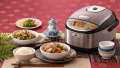
One distinctive feature of many Tiger rice cookers is the Tacook cooking plate system.
Tacook allows users to cook a main dish at the same time as the rice.
The system works by placing a specially designed cooking plate above the rice during the cooking cycle. Ingredients for a side dish are placed in the tray while the rice cooks below.
Steam generated during the rice cooking process heats the food in the Tacook tray.
This method allows users to prepare simple dishes such as:
• Steamed vegetables
• Chicken dishes
• Fish
• Light stir-style meals
• Dumplings or tofu dishes
Because the tray is separated from the rice, flavors generally remain distinct.
For many households, Tacook becomes a convenient time-saving feature when preparing weeknight meals.
Instead of cooking rice and a separate dish on the stovetop, both components can be prepared in one appliance.
Multiple Cooking Menu Settings
The Tiger JKT-D10U includes several cooking programs designed for different types of rice and dishes.
Common menu options typically include:
• White rice
• Brown rice
• Mixed rice
• Porridge
• Slow cooking
• Cake or specialty programs
Each program adjusts cooking temperature, timing, and heat cycles according to the characteristics of the selected dish.
For example:
Brown rice requires longer soaking and cooking phases due to its outer bran layer.
Porridge uses lower heat levels to prevent boiling over.
These automated adjustments simplify the cooking process and help maintain consistent results.
For users unfamiliar with Japanese rice cookers, these menu programs remove the guesswork from preparing different rice types.
Detachable Inner Lid
Cleaning is an important aspect of rice cooker maintenance.
The Tiger JKT-D10U includes a detachable inner lid, which helps simplify routine cleaning.
During cooking, moisture and starch can accumulate on the inner lid surface. Being able to remove this component makes it easier to rinse and clean after use.
This feature helps maintain hygiene and prevents unwanted odors from developing over time.
Detachable lids are common on many Japanese rice cookers and are considered a practical feature for long-term daily use.
Nonstick Inner Cooking Pan
The inner cooking pan of the Tiger JKT-D10U uses a nonstick coating designed to prevent rice from sticking to the surface.
Nonstick pans offer several advantages:
• Easier cleaning
• Reduced rice waste
• More convenient serving
After cooking, rice can typically be scooped easily without leaving significant residue on the pan surface.
The inner pan is also designed to distribute heat evenly during cooking, which supports the performance of the induction heating system.
Proper care of the inner pan—such as using non-metal rice paddles—helps maintain the coating and extend the lifespan of the appliance.
Cooking Performance
Rice Texture
Rice texture is the most important metric for evaluating any rice cooker.
The Tiger JKT-D10U produces soft, evenly cooked rice with clearly defined grains when used with Japanese short-grain rice.
IH heating allows the cooker to maintain stable boiling temperatures during the main cooking phase. This helps ensure that water absorption occurs evenly throughout the rice batch.
When prepared correctly, rice typically has:
• Moist but separate grains
• Balanced firmness and softness
• Consistent texture across the pot
This level of consistency is one of the main reasons many households choose IH rice cookers.
Temperature Control
Induction heating systems provide more responsive temperature control compared to traditional heating plates.
The Tiger JKT-D10U can adjust heat levels quickly during the cooking cycle. This allows the cooker to move smoothly between soaking, boiling, and steaming stages.
Accurate temperature control helps avoid several common cooking issues:
• Overcooked rice
• Uneven moisture distribution
• Burned rice at the bottom of the pot
The result is a more reliable cooking process, even when preparing different rice varieties.
Consistency Across Rice Types
The Tiger JKT-D10U performs best with Japanese short-grain rice, which is the primary target rice type for most Japanese rice cookers.
However, it can also handle several other rice varieties including:
• Brown rice
• Mixed grain rice
• Sushi rice
• Porridge rice preparations
Each rice type benefits from specific cooking programs that adjust heat and timing.
While specialized rice types may require experimentation with water ratios, the built-in programs provide a helpful starting point.
Cooking Time
Cooking time varies depending on the selected menu program.
Typical white rice cooking cycles often range between 40 and 50 minutes.
Brown rice programs typically require longer cooking times due to the harder outer grain layer.
Although IH rice cookers are not necessarily faster than basic models, the cooking time includes several carefully controlled phases designed to improve final texture.
For many users, the improved rice quality outweighs the longer cooking cycle.
Keep Warm Quality
The keep warm function is another important aspect of rice cooker performance.
The Tiger JKT-D10U includes an automatic keep warm system that maintains rice at a safe serving temperature after cooking finishes.
Properly designed keep warm systems prevent rice from drying out or becoming overly moist.
When used for moderate periods, the rice typically remains soft and ready to serve without significant texture changes.
However, like most rice cookers, extended keep warm durations may gradually affect freshness.
For best results, rice is ideally consumed within several hours after cooking.
Pros and Cons
Pros
• Reliable IH cooking technology
• Consistent rice texture
• Practical 5.5-cup capacity for families
• Tacook simultaneous cooking feature
• Multiple menu programs for different rice types
• Detachable inner lid for easier cleaning
• Durable construction typical of Japanese rice cookers
Cons
• No pressure cooking function
• Cooking cycles can be relatively long
• Larger than basic rice cooker models
• Tacook tray may not suit all recipes
Who Should Buy It
Families Who Cook Rice Daily
Households that prepare rice regularly will benefit from the consistent performance of the Tiger JKT-D10U.
Its 5.5-cup capacity provides enough rice for several servings, making it suitable for families that include rice as a central part of daily meals.
Buyers Looking for Reliable IH Rice Cookers
For buyers specifically interested in induction heating technology, the Tiger JKT-D10U offers a practical balance of price and performance.
It delivers many of the benefits of IH cooking without the higher cost associated with premium pressure IH models.
Users Who Want Versatile Cooking Functions
The Tacook feature and multiple cooking programs allow this rice cooker to handle more than just basic rice preparation.
Users who want to prepare simple side dishes or experiment with different rice types may find these features particularly useful.
Final Verdict
The Tiger JKT-D10U is a practical IH rice cooker designed for everyday reliability rather than premium experimentation.
Its induction heating system improves cooking consistency, while the Tacook tray and multiple menu programs add versatility for daily meals.
Although it lacks pressure cooking technology found in higher-end Japanese rice cookers, it still delivers dependable rice quality that satisfies the needs of many households.
For buyers seeking a mid-range Japanese IH rice cooker with balanced features and durable construction, the Tiger JKT-D10U remains a sensible choice.
If you are comparing rice cookers in this price range, this guide may help:
Best Japanese Rice Cookers Under $300
https://buyfromjapan-guide.com/best-japanese-rice-cookers-under-300/
Explore More Rice Cooker Guides
https://buyfromjapan-guide.com/category/rice-cookers/
Related Articles
• Best Japanese Rice Cookers 2026
https://buyfromjapan-guide.com/best-japanese-rice-cooker-2026/
• Best Japanese Rice Cookers Under $500
https://buyfromjapan-guide.com/best-japanese-rice-cookers-under-500/
• Best 5.5-Cup Japanese Rice Cookers
https://buyfromjapan-guide.com/best-5-5-cup-japanese-rice-cookers/